Trigger Stacking in Dogs: Why Your Dog Suddenly Reacts More Than Usual
Some days, your dog handles a passing dog without a second glance. Other days, the exact same situation — same street, same distance, same dog — sets off a full reaction. If that inconsistency feels confusing, you're not imagining it, and it isn't random. One of the most useful (and most misunderstood) ideas for making sense of it is trigger stacking.
What trainers commonly mean by "trigger stacking"
Trigger stacking is a practical, descriptive term used by many trainers and behaviour professionals to describe how several stressful or arousing events, happening close together, can add up — so that a trigger your dog usually copes with tips them over threshold more easily than it would on a calmer day. It's sometimes explained with the image of a "stress cup" gradually filling up over the day. That's a helpful way to picture the idea, but it's worth being clear-eyed about it: it's a descriptive concept that practitioners find useful for explaining patterns, not a literal, measurable biological quantity. Your dog doesn't have an actual cup filling with an actual fluid — the metaphor is a tool for thinking, not a scientific mechanism to take literally.
Why this framing matters: treating trigger stacking as a genuine measurement can lead owners to over-interpret ordinary bad days, or to explain away every reaction as "stacking" instead of looking at what specifically triggered it. It's most useful as a lens for noticing patterns across a day — not as a precise diagnosis for any single reaction.
A realistic example
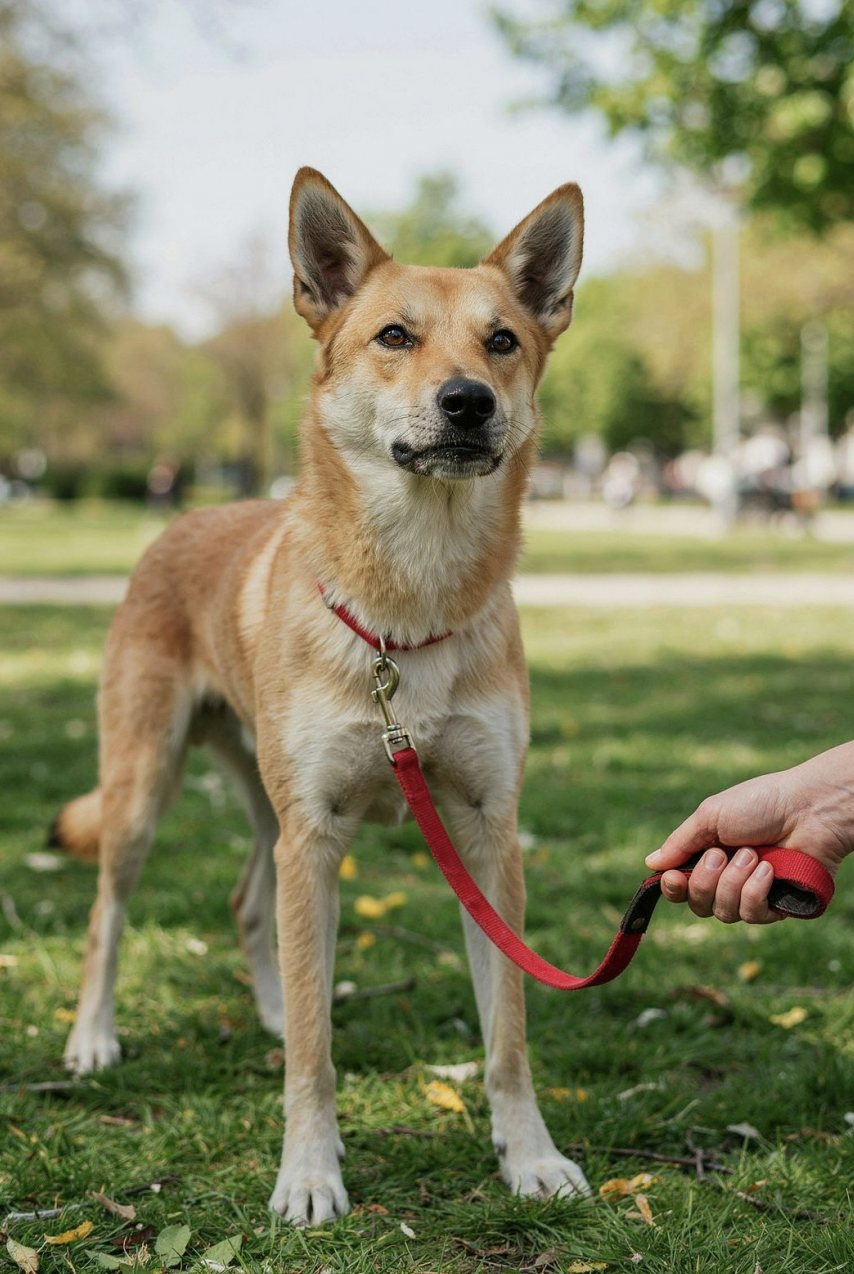
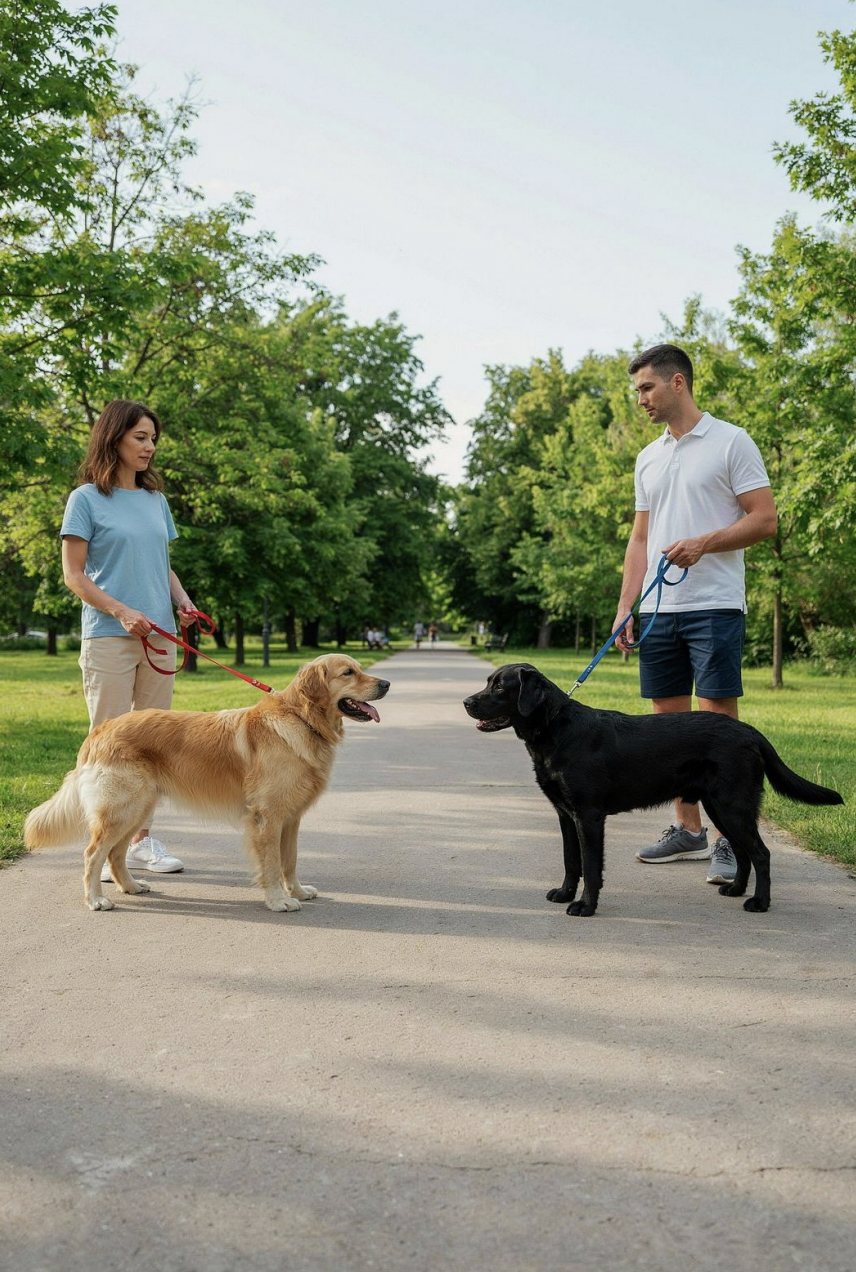
Picture an ordinary Tuesday. In the morning, a delivery van reverses loudly outside the house, and your dog barks at the window for a minute before settling. Later, a vet visit for a routine check involves waiting in a busy reception area with two other dogs. That afternoon, a neighbour's dog barks at the fence while yours is in the garden. By early evening, on what would normally be an easy walk, a dog appears at a distance your dog has handled calmly dozens of times before — and today, they react strongly.
Nothing about that final walk was unusual on its own. What may have changed is everything that happened earlier in the day, each event asking something of your dog's nervous system, with limited time to fully settle in between.
Why reactivity can vary from day to day
This is also part of why threshold isn't a fixed distance — it shifts with how much a dog has already been asked to cope with, how well they slept, whether they're feeling physically well, and plenty of factors owners may never fully see. A dog who reacted strongly today at a distance they handled easily last week hasn't necessarily gotten "worse" at that trigger specifically. Something about the accumulated context of the day may have changed instead.
Looking at the whole day, not only the final reaction
When a walk goes badly, it's natural to focus entirely on what happened in that moment — was the other dog too close, did you not see it in time. That's worth reviewing, but it's also worth zooming out: what else happened earlier that day? A stressful car ride, a loud household event, an unexpected visitor, another dog barking nearby — these can all contribute, even when they seem unrelated to walks specifically.
Keeping a simple trigger log
Because the contributing events aren't always obvious in the moment, a brief daily note — what happened, roughly how your dog responded, and how the walk went later — can make patterns far easier to spot over a few weeks than trying to remember it all afterward. Our free Reactive Dog Trigger Tracker gives you a simple one-page way to start.
Watching recovery, not just the reaction
How quickly a dog settles after a stressful event is often as informative as the event itself. A dog who barks once and is back to normal within a minute is telling you something different than a dog who stays tense, pants, or startles easily for the rest of the walk. Slower recovery on a given day can be a sign that your dog is carrying more from earlier — useful information for deciding how much to ask of them for the rest of that day.
Management after a difficult experience
If your dog has already had a stressful morning, a demanding, trigger-dense walk in the afternoon is probably not the moment to push training forward. A shorter, quieter walk in a familiar, low-stimulation area — or simply extra rest at home — gives your dog a chance to settle before asking more of them. This isn't about avoiding the world; it's about being realistic about what a given day already contains.
Why not every reaction is "just" trigger stacking
It's tempting to use trigger stacking as an explanation for every unexpected reaction, but that can obscure other things worth paying attention to. A sudden, unexplained increase in reactivity, a persistent change in your dog's baseline behaviour, or reactions that seem disproportionate to anything happening around them are worth mentioning to your vet — pain, illness, or other medical factors can also lower a dog's tolerance for stress, and ruling those out matters before assuming the explanation is purely situational.
For the reactions themselves — what's actually happening physically and emotionally when your dog goes over threshold — see Why Does My Dog Bark at Other Dogs on Walks?, and for a deeper look at how threshold shifts moment to moment, see Reactive Dog Threshold: How to Know When Your Dog Is Too Close.
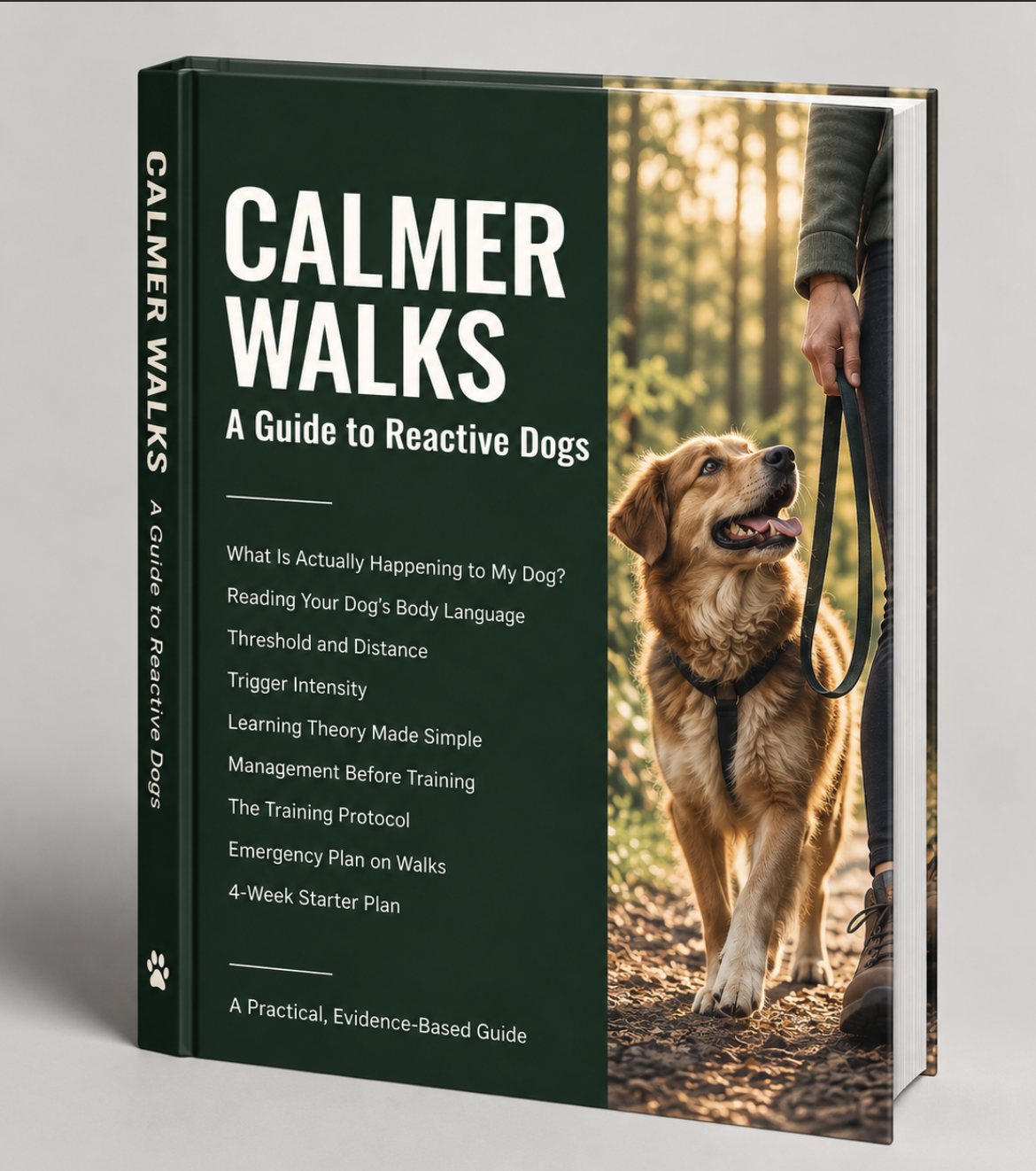
Want the complete framework? Calmer Walks brings threshold, trigger stacking, body language, management, and a step-by-step training protocol together in one practical guide. Explore the Guide →
Sources & further reading
This article draws on published, reward-based behavioural science and educational material from recognised animal-behaviour and veterinary organisations, including the American Veterinary Society of Animal Behavior (AVSAB) and the ASPCA, paraphrased and explained in plain language rather than quoted directly.
This article is educational information, not a diagnosis. If your dog's behaviour changes suddenly or persistently, or if there's any suspicion of pain or illness, speak with a vet. If your dog has a bite history or the reactivity involves serious aggression, speak with a vet or a qualified, force-free behaviour professional.
The guide
Stress, mapped out in full
Calmer Walks dedicates a full chapter to trigger stacking and stress over time, plus threshold, distance, and a realistic 4-week starter plan.
Explore the Guide